Welcome to the first in a new series of interviews with Native Hawaiian and local Hawaiʻi writers!
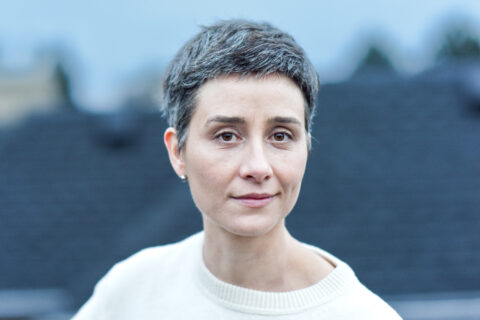 I am very pleased to introduce award-winning author Ilima Loomis. She has an extensive background not only in writing for children but also in journalism, content marketing, science and technology. Her goal is to help her readers to make sense of complicated subjects.
Aloha, Ilima. For those who haven’t met you, could you please tell us a little about yourself?
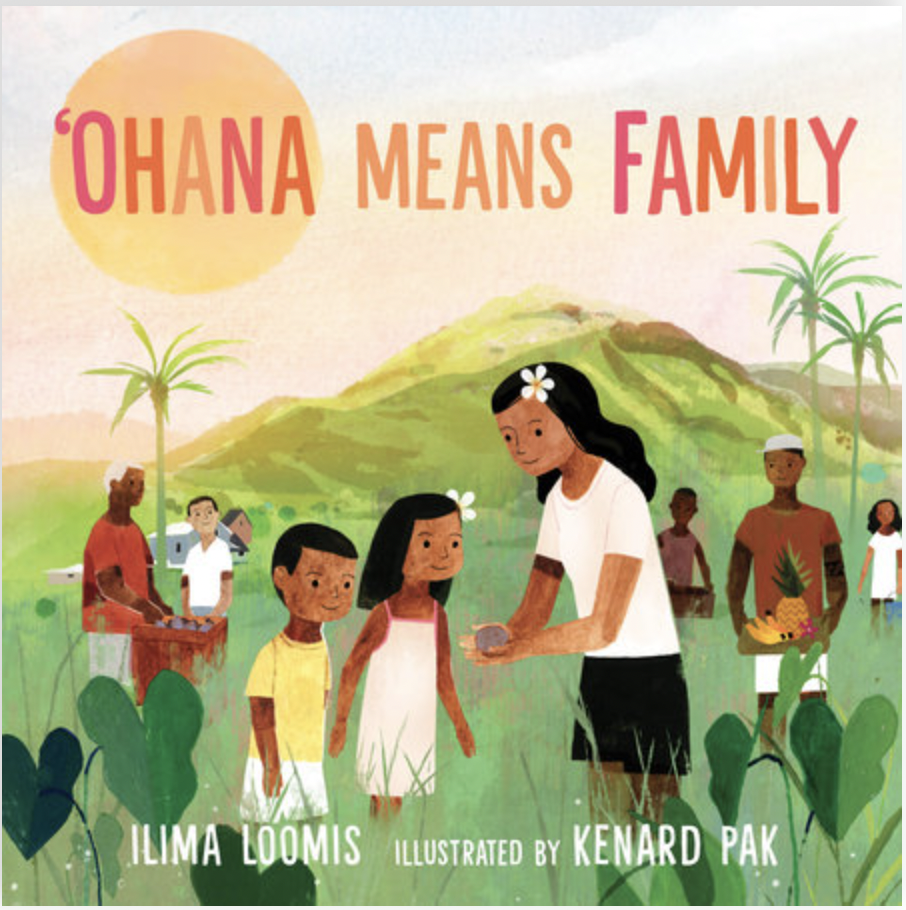
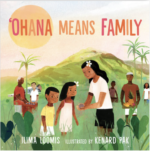
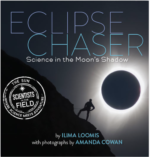
Aloha! My name is Ilima Loomis, and I’m the author of children’s books including ‘Ohana Means Family and Eclipse Chaser: Science in the Moon’s Shadow. Along with writing books for young readers, I also work as a science writer! I interview scientists and help explain their research and discoveries for a general audience. I started my career as a community journalist, working as a reporter for The Maui News. While I was born and lived most of my life in Hawaii, I recently moved to Vancouver, Canada.
 Where did you grow up? What high school did you grad from?
I was born and raised in Kailua, Oahu, and I graduated from Iolani School in Honolulu. Go Raiders!
Who is your biggest supporter?
My daughter is 15, and she recently told me that she was proud of what I do and she thought I was cool. That really meant so much to me! I’m grateful to be her mom. She inspires me.
Thatʻs very cool. Why did you become a writer? What inspired you to write for children?
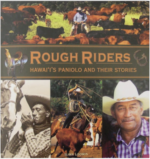
I actually started out as a journalist. I’ve always written nonfiction because I’m inspired by the real world. My first children’s book was actually a spin-off from a nonfiction book I wrote about paniolo and ranching in Hawaii. After I finished the book for adults, I thought it would also make a good subject for kids, so I pitched and wrote a picture book. I loved the experience of writing for kids and was hooked.
What do you enjoy most about writing for kids? What are some of your greatest challenges in writing for children?
I love the challenge of taking a complex subject and figuring out how to distill it into a story that kids will understand and relate to or find interesting. It really forces you as a writer to think about what’s most important and what you most want to say. It’s such a short format, there’s no room for any rambling or digression. Even though I’m writing nonfiction, I still have to think creatively about how to say what I want to say, and how to turn these cold facts into a story that makes the reader feel emotion. It makes me a better writer.
There are not a lot of stories for or by Native Hawaiians and Pacific Islanders. Why do you think that is? What do you think we can do the change that?
First, I want to note that I’m not Native Hawaiian; I’m from a multi-generational kama’aina family. Hawaiʻi is my home, and it meant so much to me to be able to share something about Hawaiʻi’s culture with this book. I also want to credit and thank Hōkūao Pellegrino for reviewing and adding his cultural expertise to the book.
 I absolutely believe that there is a huge need for more books for and by Native Hawaiians and Pacific Islanders. It’s gratifying to see that children’s publishing has embraced diversity in the last few years and is starting to catch up with the long overlooked need for stories that reflect the diverse world in which we live. That push for diversity needs to include indigenous voices, in particular Native Hawaiians and Pacific Islanders.
There’s a lot I don’t understand about how publishing works as an industry, but I do think that organizations like SCBWI (Society of Childrenʻs Book Writers and Illustrators) can support this movement by continuing to work on being more diverse and inclusive in their membership and programs for up-and-coming writers and illustrators. I think the SCBWI Hawaiʻi Chapter is doing a great job on that and I hope they continue to push even harder toward those goals. And of course as readers the best thing we can do to show publishers that there’s demand for books by and for Native Hawaiians and Pacific Islanders is to buy and support the books that are already out there. I think it’s especially important to support local Hawaii publishers, because they’re the ones leading the way in sharing Native Hawaiian and Pacific Islander stories, and that’s where many new writers and illustrators get their start. Local publishers are an important resource for readers and writers in Hawaii, and we need to support them!
Are you on social media? Do social media play a role for you as an author? Do your readers contact you? What do they say?
I do some social media (where else would I find an outlet for all the photos I take of my dog??). Writing can be a lonely activity, so I found that social media was a great way to connect with other writers and build community. I do sometimes hear from readers, and I absolutely love it when I see people share that they enjoyed my book. It’s especially cool when I see the book shared by librarians or teachers! As an author though, I try to turn off the social media for a while so I can focus on my writing without distractions.
 What advice do you have for aspiring writers?
There’s no substitute for just writing a lot and putting it out there for people to read. I actually believe it’s more important to write a lot than to write well. You learn something every time your work gets released into the world, so take every opportunity you can. Some writers will hang on to their work, polishing and polishing, because it’s never good enough. Perfectionism is a killer. Just let it go.
Can you share a bit of your current work?
I’m working on an idea about pollinator gardens! I’m inspired by small-scale conservation.
Which of your books did you have the most fun writing? Which were the most challenging?
I actually had an incredible experience writing Eclipse Chaser. I had the opportunity to travel to the 2017 total solar eclipse with University of Hawaii solar physicist Shadia Habbal and her team. We camped in the Oregon desert, and she allowed me to document her expedition for the book. It was a once-in-a-lifetime experience!
What beliefs are your books challenging?
Interesting question! I don’t think I set out to challenge people’s beliefs, but in ‘Ohana Means Family I wanted readers to reflect on how food connects us with each other, with nature, and with the world.
What’s your experience with publishing your books?
My first two books, Ka’imi’s First Round-Up and Rough Riders: Hawaii’s Paniolo and Their Stories were published with a local publisher (Island Heritage). It was a great experience, and I am really grateful Island Heritage took a chance on my books and gave me the opportunity to work on those projects as a young writer. I actually originally wrote ‘Ohana Means Family with the intention of publishing it locally as well. But when I connected with my agent, 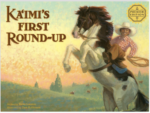 Kelly Sonnack, she thought there would be interest outside of Hawaii. She ended up selling it to Neal Porter, an acclaimed children’s book editor. It was an incredible opportunity to be able to work with Neal on my first picture book outside of Hawaii, and I think he did an amazing job with the book. I was especially excited that he selected illustrator Kenard Pak to create the art, and I think the results were absolutely gorgeous.
Where do you get ideas for your books?
I’m inspired by the natural world and how humans interact with nature!
Which characters do you relate with easily? Why?
I’m a quiet, introspective person, so I usually relate to quiet, introspective characters.
Can you share a bit about your next book?
As I mentioned, I’m working about a book about pollinator gardens. For inspiration, I planted some native wildflowers in a planter on my deck. Now that I live in the Pacific Northwest there are so many plants and animals that are new to me. I love watching the bees buzzing around the flowers, and I’m especially excited every time hummingbirds come for a visit! They’re so tiny and cute! I love the idea that humans can interact with nature and support conservation even if they live in small spaces or in the middle of a big city.
Mahalo nui, Ilima, and best wishes for your continued success! To contact Ilima Loomis and learn more about her books, visit her website, Ilimaloomis.com.
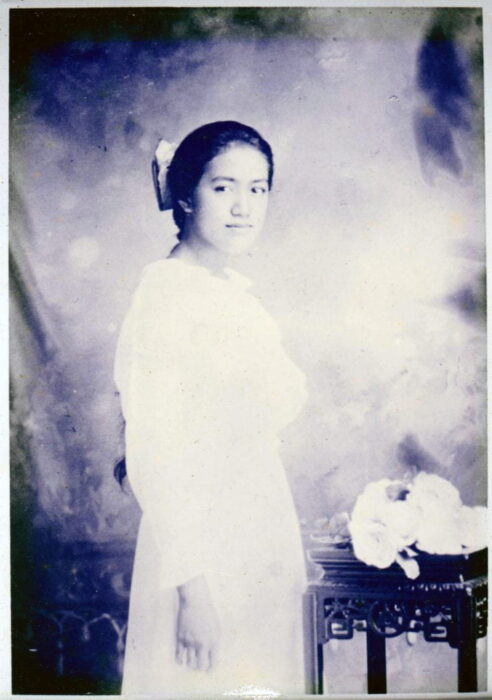
 Her name was Violet Kawaikoeahiokekuahiwi Wong Hoe, and she was my father’s mother. Born in 1900 to a pure Hawaiian woman and a Chinese laborer who came to work on a sugar plantation, Grandma was the single most influential person in my life. She was my link to being Hawaiian.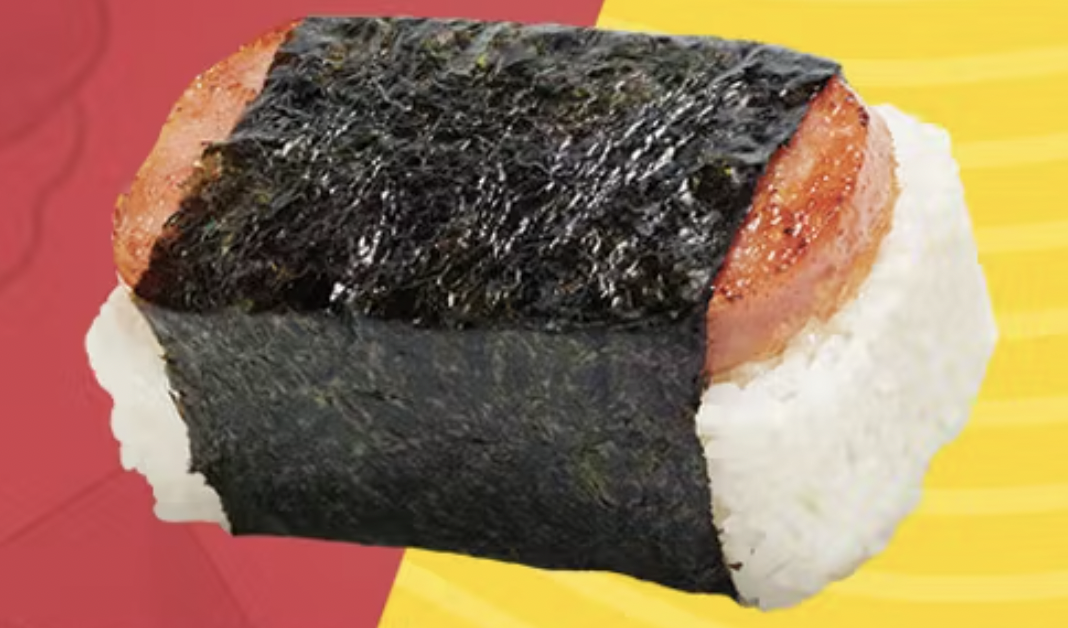
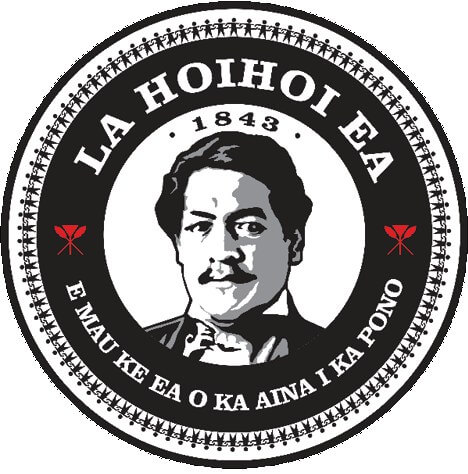
 July 31 is Lā Hoʻi Hoʻi ʻEa in Hawaiʻi! Established by Kauikeauoli (King Kamehameha III), Sovereignty Restoration Day is a national holiday that commemorates the return in 1843 of Hawaiʻi to the rightful Hawaiian government after it was seized by the United Kingdom. He declared, “Ua mau ke ʻea o ka ʻāina i ka pono,” the life of the land is perpetuated in righteousness. E mau a mau!