Our ongoing series on Native Hawaiian and local Hawaiʻi writers continues this 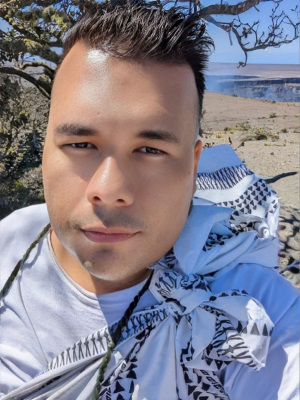 week with Adam Keawe Manalo-Camp, the talented Native Hawaiian writer and blogger. If you’re a regular reader of Ka Wai Ola O OHA, then you’ve no doubt read Adam’s wonderfully interesting, well-researched articles about the history and culture of our people.
I’m a huge fan of your writing, Adam. But for those who haven’t met you, could you please tell us a little about yourself?
The homelands of my ancestors are Hawai’i and the Philippines. My grandmother grew up in Honokaʻa while my mother and I grew up in Kewalo within Papakōlea Hawaiian Homestead. My ʻiewe and piko are literally buried at Papakōlea. I also spent a chunk of my life in the Philippines. As far as my research background is mostly in history and anthropology.
Where did you grow up? What high school did you grad from?
I grew up within Papakōlea and am a product of Hawaiʻi’s public school system. I graduated from Roosevelt High School.
Who is your biggest supporter?
My husband. He’s been with me from the very beginning when I was getting my master’s in counseling psychology and veered off course to be a freelance writer. The latter and marrying him were the best decisions I made (besides having kids)!
That’s awesome. Why did you become a writer? What inspired you to write for children?
In general, my ancestors. But my mother always encouraged me to write.
Why did you become a writer? What inspires you to write y0our posts and articles?
I have always liked to write. The first time that a piece of mine was published was in the ʻŌʻiwi Literary Journal, and I was graduating high school. The late Māhealani Dudoit had discovered me through a long email chain where I was talking about the importance of King Kalākaua’s world tour of 1881. I was very self-conscious because ofbeing māhū, neurodiverse, and having English as my second language—Hawaiian was my first. Māhealani said she loved how unique my voice was and encouraged me to keep writing. It took me a long time to realize that what I told in school were my weaknesses are actually my strengths.
Then some eight years ago, I began writing posts on social media and recently my other pieces and some of my research have appeared in Civil Beat, Ka Wai Ola o OHA, NatGeo, etc.
What do you enjoy most about writing? What are some of your greatest challenges in writing your articles and posts?
When I write posts, I think of them as love letters to my ancestors and to my culture. I do not have a social media calendar or plan things out. I write because something inspires me to and I found a particular topic interesting. I also write in honor of my grandmother and mother who used to constantly fill my thoughts with stories of their times and the times of the ancestors. I know many Kānaka Maoli who read my posts may not have their kūpuna around or have been scattered throughout Turtle Island, and so I would hope some of my posts may be a small light to remind them of where they came from.
Social media can bring so much positive attention to indigenous peoples but social media can also be challenging. Some folx are on social media platforms simply for clout or to attack people behind a wall of anonymity. I try not to focus on those people but to focus on the folx out there who are searching for manaʻo and want to engage in aloha.
I always learn something new from your posts. What are your hopes and dreams for the year and beyond in terms of your writing career and what you would like to see published in the future?
I have a couple of articles coming out this year including pieces on Kaomi. The pandemic sort of made me rethink my career and what I want to write about. I would want to write more local Filipino and queer histories as well as more on Hawaiian struggles from a historical point of view. I would like to also write more fictional short stories.
I always ask the following of the writers I interview: There are not a lot of stories for local kids by local writers. Why do you think that is? What do you think we can do to change that?
I think in general there aren’t a lot of works for children by BIPOC writers in general. A lot I believe is the lack of access to publishers as well as economic factors. There are a lot of creative Kānaka Maoli out there that I know of but due to the cost of living and other expenses, some see being creative as a side hassle as they feel that being creative cannot sustain them financially. I myself would not know how to get started in that field.
Do you have a website? Are you on social media? Do social media play a role for you as an author? Do your readers contact you? What do they say?
My linktree is linktr.ee/adamkeawe That features links to some of my work and my blog. I got on Facebook about eight years ago, and on there I am admin for the Hawaiian History and Culture group, which has 34,000+ members. Instagram I got on right before the pandemic and that is where I am more active. I also have Twitter but am not too active on there. All of my handles for my social media accounts are: adamkeawe.
In general readers are supportive and engage in discussions.
What advice do you have for aspiring writers?
If your naʻau keeps pushing you to tell a story, youʻre a writer. Never be discouraged nor base your self-worth and your writing on how many likes of followers you have. In the end, you will connect with who you need to connect with.
Can you share a bit of your current work?
I have two pieces coming out soon. One is about Kaomi and another is about my motherʻs best friend who was a transwoman in the 1970s.
What beliefs are your stories challenging?
Patriarchy, settler colonialism, homophobia, racism, and anti-Semitism.
Where do you get your inspirations?
I draw a lot of my inspiration from my ancestors and talking to other Kānaka Maoli. But I also read other writers from various genres including Joy Harjo, Ninotsche Rosca, Noam Chomsky, Langston Hughes, Audre Lorde, Stephen King, and so many others. Science fiction such as The Expanse, Star Trek: Deep Space Nine, and Babylon 5 inspires me as well.
Your articles and posts demonstrate a lot of research. Whatʻs your research process like? How long is your research for a typical article?
Normally I have at least three sources per article. In social media posts, minimum two. Before I begin a major writing assignment, I chant “E hōmai…” and ask to be guided. I do the same privately before entering a library or archives. I am mindful that research is ceremony and methodology is ritual, and I try to bring that into whatever I am working on.
Have you ever considered writing a longer work, like a book or screenplay?
Yes. I would rather collaborate though because of the time that it takes.
Can you share a bit about what you are working on next?
I am collaborating with Kumu Lua Michelle Manu on a book about women warriors.
Women warriors? I look forward to that. Adam, mahalo nui for sharing your manaʻo! To learn more about Adam Keawe, visit his LinkTree.
 Hawaiʻi Creole English — called “pidgin” by its native speakers — dates back 100 years to the sugar plantation days. Immigrant workers, first from China, then Japan and other countries, needed a way to communicate with their fellow workers and with the people who lived among them, the Native Hawaiians. Pidgin is still spoken in Hawaiʻi, and being fluent is a source of great pride by its speakers. Pidgin is what makes us local.
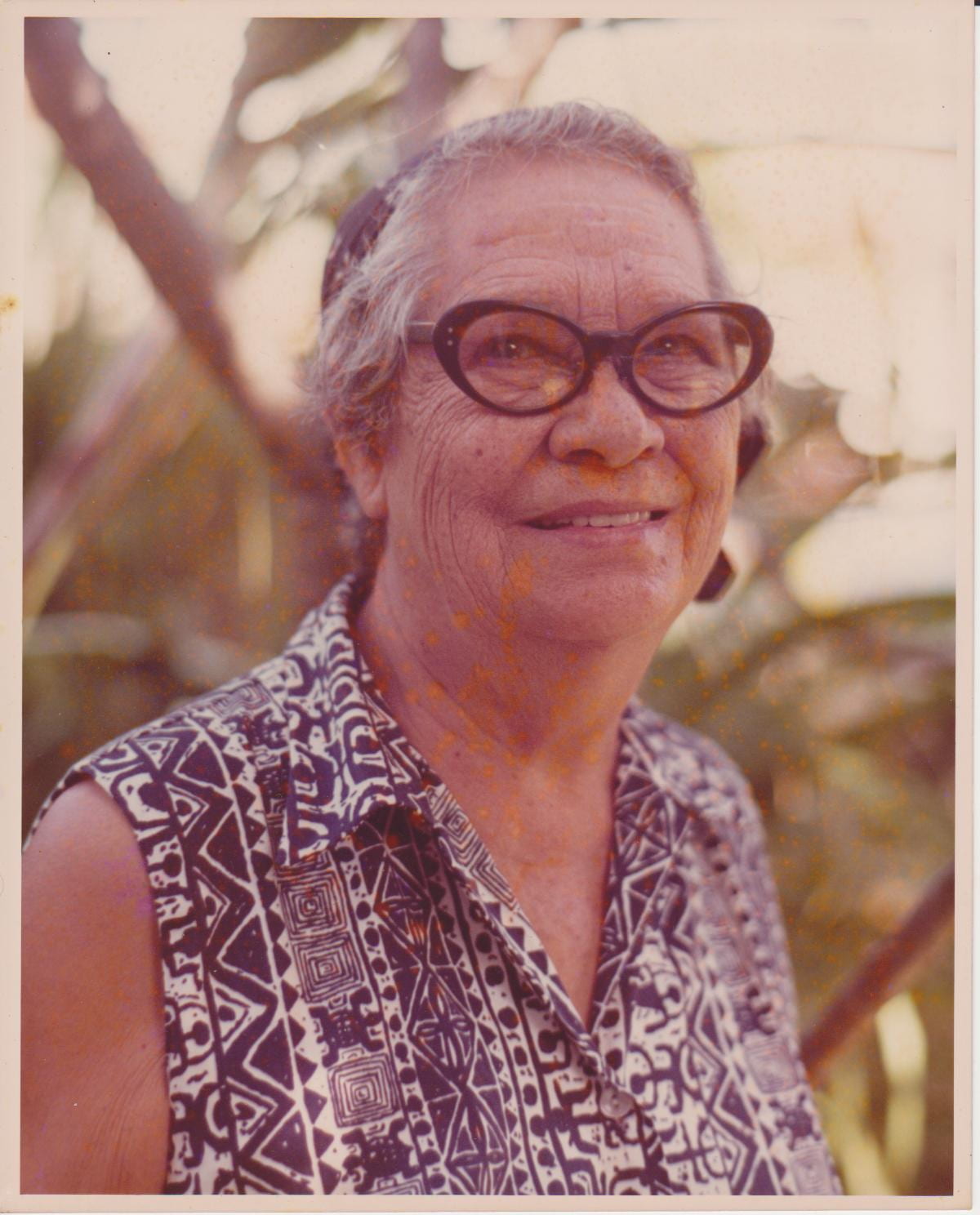
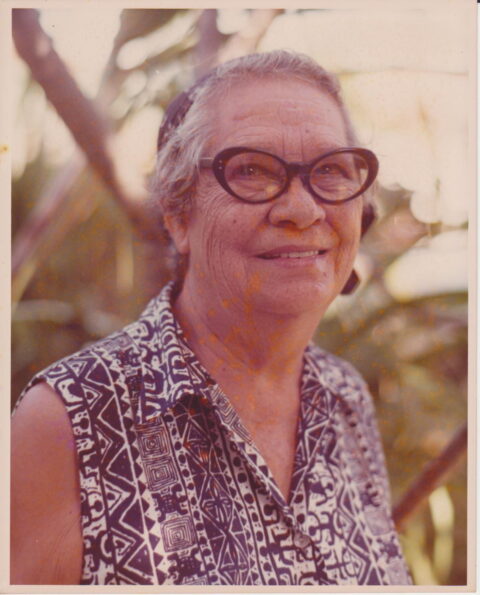 gathered together from Kaʻimukī, Kailua, Kāne’ohe, Nānākuli, and the Mainland. That day, we scattered most of Grandma’s ashes along with thousands of flowers and prayers off of Kahala Beach Park. We gave Grandma back to her beloved moana and ‘āina at that place because it had been one of her favorite fishing spots, at least in the days when Kahala consisted of groves of kiawe trees, a dairy farm, and a hodgepodge of week-end beach cottages. Before the main funeral started, Mary and I put a kapu on a little bit of Grandma. We wanted to bring a part of her to the windward side, another of her favorite fishing areas. That day in Waikāne, we had two film canisters filled with Grandma’s ashes, all that was left of her in this world.

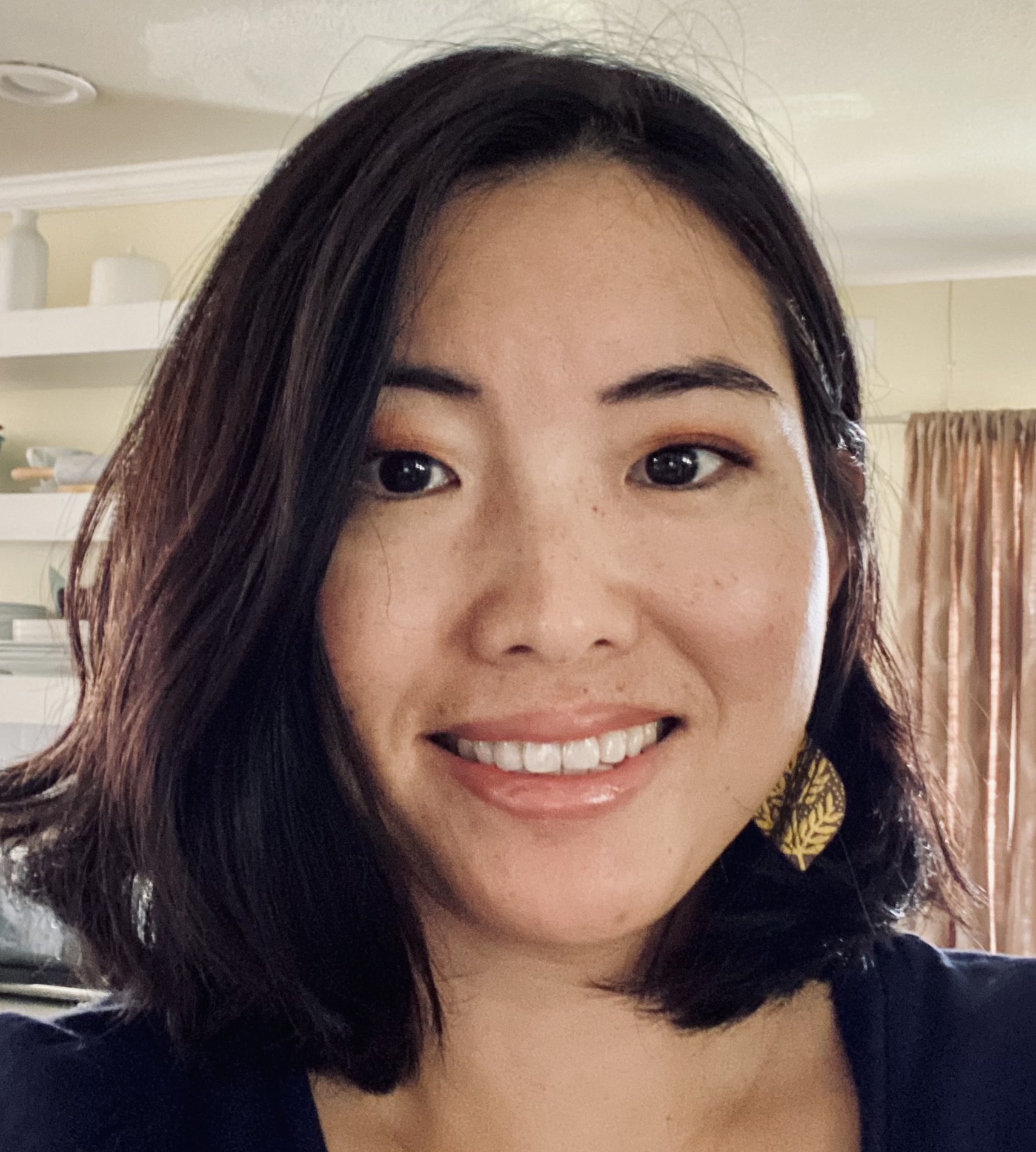
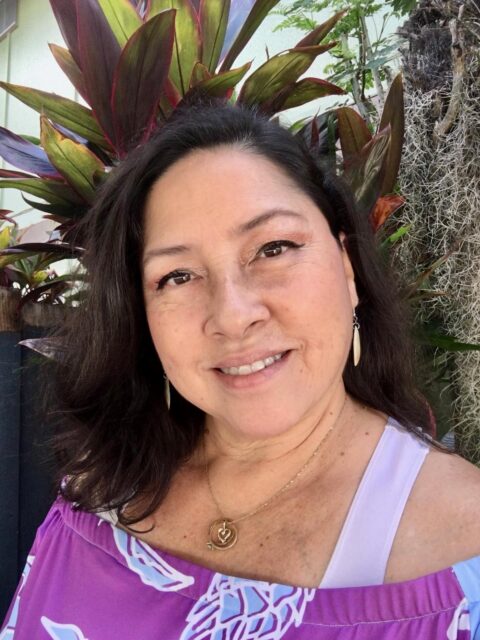
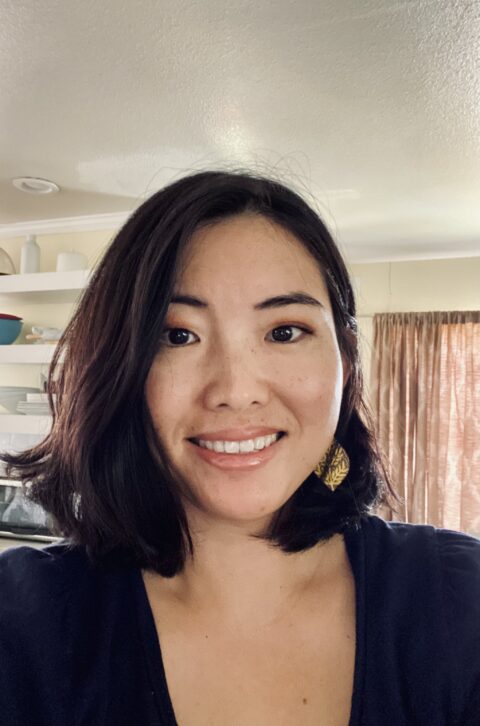 week with my friend, author Brandi-Ann Uyemura. Writing coach, blogger, coach and author, Brandi does it all. Her articles and essays inspire hope, courage and compassion. An Asian American who grew up in Hawaiʻi, Brandi brings a much needed authentic voice, not just for Asian kids in Hawaiʻi but for all kids, everywhere.
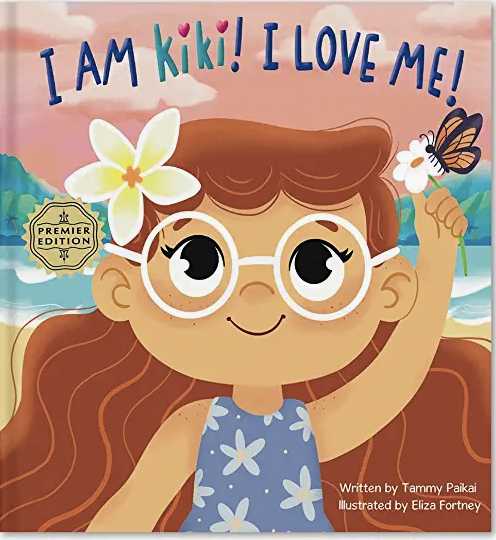
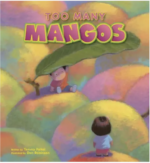 I really enjoy when the kids connect with my stories. Like in Too Many Mangoes, perhaps they have mangoes that they have shared with their neighbors or maybe they have a hard-of-hearing grandpa too. I am in awe when someone says that my book is one of their favorites. Never in my wildest dreams did I think that would ever happen! It makes me feel so proud that I can bring joy to others in my own little way. My greatest challenge would be coming up with an idea for a story. I want all of my stories to be upbeat and positive. I want to give a good message to the children and make them smile.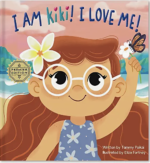
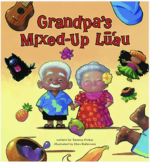
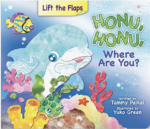 Honesty, I believe my inspiration comes from “above.” Something happens and the title pops in my head and the writing part comes easy after that. For example, one day my neighbor came to our house and asked if we saw her pet turtle that they lost. I thought to myself, Honu, Honu, Where are You? and then wrote the rhyme for that playful story about baby dolphin looking for his friend, Honu, the sea turtle. Yuko Green who cleverly illustrated the book using flaps to help hide the turtles in this story.